
Understanding Gerrymandering: Why It Matters

Gerrymandering is the strategic drawing of electoral district lines to favor one political party. It directly affects democratic representation, voter power, and trust in government. One of its most damaging consequences is the weakening of votes through packing and cracking. Packing puts as many voters from one group as possible into a single district, while cracking splits them across several districts. Both tactics reduce the group’s overall influence in elections.

This manipulation leads to unfair representation. Some voters end up with more power than others, even when populations are similar. Gerrymandering also discourages healthy competition. When districts are designed to be safe for a particular party, elected officials face fewer challenges and voters have fewer meaningful choices.
Current Situation in Texas
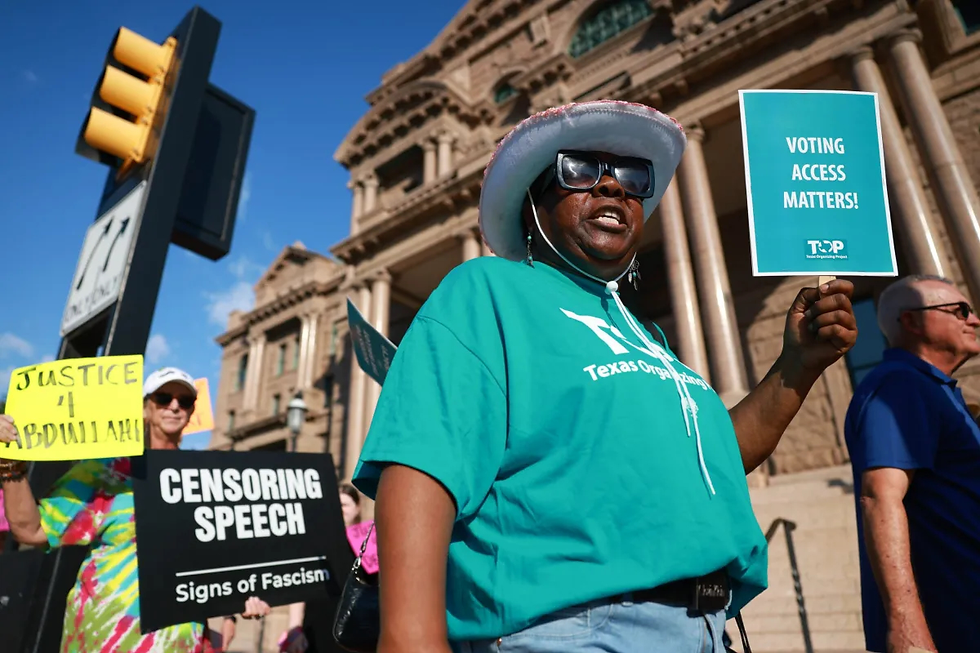
Right now, Texas is facing a major redistricting fight. Republican legislators, backed by President Donald Trump, are pushing a rare mid‑decade revision of congressional districts. Their proposal could flip up to five Democratic seats to Republican control ahead of the 2026 midterms.
With Republicans in full control of the state legislature, Democratic lawmakers do not have the votes needed to stop the plan. 51 of the 62 House Democrats fled Texas and traveled to other states to break the two‑thirds quorum requirement for legislative votes, which is the minimum number of lawmakers who must be present for the House to conduct official business and pass legislation.
Governor Greg Abbott and Attorney General Ken Paxton responded by threatening punitive actions: they have warned they will declare the lawmakers’ seats vacant, issue arrest warrants, and fine them $500 per day for each day they remain absent. However, legal experts note there is no criminal penalty for breaking quorum, and any arrest would be civil in nature—and only enforceable within Texas state lines.
Democrats are exploring multiple tactics to stall or defeat the redistricting plan, including filibustering, delaying hearings, buying time for the ongoing Voting Rights Act lawsuit, and fundraising to cover legal fines. Donors appear ready to support lawmakers financially, though campaign rules limit how fines can be paid.
What is happening in Texas shows that gerrymandering remains a serious challenge to fair representation in the United States. It affects trust in government, voter turnout, and whether communities feel truly heard in a democracy. As Democratic State Rep. James Talarico put it, “Thankfully, I didn’t have to jump out of a window in Texas, but we are taking part in a long American tradition of standing up to bullies, of speaking truth to power, of civil disobedience, of good trouble.”


I voted in Virginia on yesterday regarding the issue of Gerrymandering. Well, when I got there, I was proud and excited, in addition to looking forward to making a difference. But, alas, that was not the case. I felt that I was being treated as a person believed to be stupid. And I felt that others were being treated the same way. For example, the question on the ballot asked, “…do you believe that the election process should be fair?” (There was no mention of the word Gerrymandering precisely applied). The question was general in nature. Had this been argued in court, the attorney would say, “Objection your honor, counsel is leading the witness.” The court would say, “Objection sustained.”…